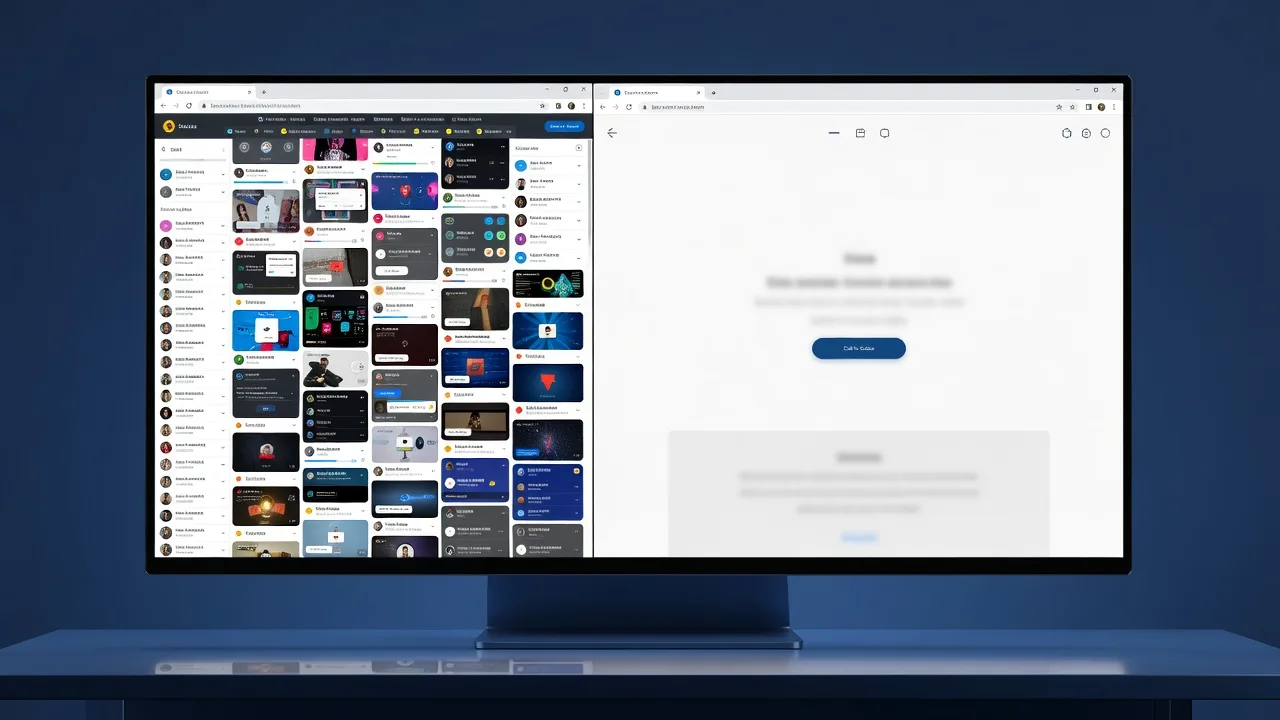
You're paying real money for every click. Someone on the Gold Coast sees your ad, it promises them one specific thing, they tap it, and they land on... your homepage. A page that talks about everything you do, to everyone, all at once. That gap between what the ad promised and what the page delivers is where your budget quietly dies.
Think about what your ad actually says. Maybe it's "20% off our winter range" or "Free roof inspections this month." The person who clicked wants that exact thing. Instead, they get a hero banner about your brand story, a navigation menu with eight options, three service blocks, and a newsletter popup. Now they have to work out where the offer went. Most won't bother. They hit back, the click is gone, and you paid for it.
This is the single most common mistake we see in ecommerce ad accounts across Australia. The ads are fine. The targeting is fine. The destination is the problem. Your homepage was built to introduce your business to a stranger who found you organically. It was never built to close someone who clicked a specific promise.
What a Landing Page Does Differently
A landing page is a standalone page built for one campaign, one audience, and one action. It picks up exactly where the ad left off. Same offer, same wording, same imagery. There's no navigation menu pulling people off to your about page, no competing offers, no detours. The visitor either takes the action or they leave, and that clarity is precisely the point.
Compare that to a homepage. A homepage serves your existing customers looking for contact details, job seekers checking you out, suppliers, Google searchers, and ad clickers all at the same time. It can't speak directly to any of them because it has to speak broadly to all of them. A landing page only has to speak to one person: the one who just clicked your ad.
There's a measurement benefit too. When a campaign sends traffic to your homepage, its results get tangled up with every other source of traffic hitting that page. When it sends traffic to a dedicated page, you can read the numbers cleanly: this many clicks, this many conversions, this cost per result. That clarity is what lets you improve a campaign week after week instead of guessing at what's working.
One Audience
Built for the exact person your ad targeted, using the language and offer they responded to.
One Path
No menu, no sidebar, no distractions. Every element points to a single next step.
Message Match and One Job Per Page
Message match is the simple idea that the headline on your landing page should mirror the promise in your ad. If the ad says "Custom sheds built in 4 weeks," the page headline should say something nearly identical. The visitor's brain gets instant confirmation: yes, you're in the right place, the thing you wanted is here. Break that match and you create doubt, and doubt is expensive when you're paying per click.
The second rule is one job per page. A page that asks visitors to buy, subscribe, follow, call, and read your blog isn't giving them five options. It's giving them a reason to do nothing. Decision friction kills action. Baymard Institute's long-running checkout research consistently shows that complexity and unnecessary steps are among the top reasons people abandon a purchase, and the same principle applies before checkout. Every extra choice on the page is a chance to lose the sale.
So pick the one action that matters for this campaign. A booked call. A purchase. A quote request. Then strip out everything that doesn't push the visitor toward it. We covered the broader version of this problem in why good-looking websites still don't convert, and landing pages are where the fix is easiest to apply.
What a High-Converting Landing Page Contains
You don't need anything exotic. The landing pages that perform, for trades, ecommerce stores, and service businesses alike, share the same bones:
- A headline that matches the ad. Same offer, same wording, instantly recognisable.
- One clear call to action, visible without scrolling and repeated down the page.
- Proof. Google reviews, testimonials, before-and-after photos, logos of brands you've worked with. Real ones, not stock imagery.
- The offer details, spelt out plainly. Price, inclusions, timeframe, what happens after they enquire.
- Objection handling. A short FAQ or a few lines that answer the obvious hesitations before they become reasons to leave.
- A short form or simple checkout. Ask for the minimum you need. Every extra field costs you conversions.
Notice what's missing: your company history, your full service list, your navigation menu. Those belong on your website. A landing page is a salesperson with one pitch, not a brochure.
Build It Mobile First
Most paid social traffic arrives on a phone. If your landing page form is painful to fill out on mobile, nothing else on the page matters. Test the full journey on a real device before you spend a dollar on ads.
When the Homepage Is Fine
To be fair, the homepage isn't always the wrong destination. Brand awareness campaigns, where the goal is simply to introduce your business rather than push a specific offer, can land on the homepage without much penalty. The ad promised "here's who we are," and the homepage delivers exactly that. Message match is intact.
Branded search is the other case. When someone Googles your business name and clicks an ad, they want the front door. Send them to the homepage. The same goes for retargeting warm audiences who already know you well; sometimes the homepage or a specific product page is the natural next step.
The line is simple: the more specific the promise in the ad, the more specific the page needs to be. Generic promise, homepage is fine. Specific offer, specific page. If you're running cold traffic to a discount, a lead magnet, or a single service, the homepage will almost always underperform a dedicated page.
Testing Landing Pages Without Overbuilding
Here's where business owners get stuck. They hear "landing page" and imagine a six-week design project with custom development and a four-figure invoice. You don't need that to find out whether a landing page beats your homepage. You need one page, one offer, and a couple of weeks of traffic.
Start with your best-performing ad. Build a single page that matches its promise, using your existing branding and photos. Keep it lean: headline, offer, proof, call to action. Split your traffic between the homepage and the new page, or simply switch the destination and compare against your previous results. Watch cost per lead or cost per purchase, not clicks. Clicks were never the problem.
If the page wins, and in our experience running Meta ads for ecommerce brands it usually does, then you invest further. More variants, better proof, sharper copy. If it doesn't win, you've spent very little finding out. Either way you're making the decision with data instead of guessing, which puts you ahead of most advertisers on the Gold Coast already. And if your wider site needs the same treatment, our business website builds apply the same conversion-first thinking to every page.
If you're tipping money into ads and watching it land on a homepage that wasn't built to sell, let's fix the destination before you spend another dollar. Get in touch with MakeItScale or book a time to call and we'll map out the landing page your best campaign deserves.